Home / About AstroSkyGuide
ASTROSKYGUIDE
About AstroSkyGuide
About AstroSkyGuide. Scientifically careful astronomy explanations with atmospheric, clearly labelled illustrations.
On this page
Why AstroSkyGuide exists
AstroSkyGuide brings together scientifically careful astronomy explanations with atmospheric, clearly labelled illustrations. The aim is to help readers who want to connect the sky they see with the scientific questions behind it. A visitor should be able to understand what a page offers, what evidence supports it and which next step fits the question. The topic guides connect an introductory question with a useful next reading step. The aim is a considered explanation that respects the reader and makes the limits of its claims understandable.
AstroSkyGuide’s mix of curiosity and careful explanation has a useful companion in NASA’s skywatching resources. This official material provides observing context and routes into astronomy topics. It complements the brand’s educational direction without turning atmospheric artwork into a calibrated chart, a live forecast or a claim of scientific affiliation.
A reading question might begin with an unfamiliar point in the sky and lead to a discussion of nearby worlds or wider scale. The project gives that journey a coherent route rather than treating every subject as an isolated fact.
What guides the work
Clarity begins with scope. Explain the question before presenting a conclusion, and keep the distinction between an observation and an interpretation visible. A strong visual identity can make an explanation memorable, but it cannot establish a fact by itself. The visitor should know whether a page is a topic guide, a proposed workflow or a description of a future project. Its limitations belong beside the relevant claim, not hidden after an impressive headline.
Scientific care includes choosing the right kind of explanation. A beginner may need a relationship made visible before a technical term, while a curious reader may want the original reference supporting the next claim.
Continue with The wider universe.
Explore the work
Explore the main guide first if you want the wider framework. Then choose the detail page that matches your question rather than reading every section in a fixed order. The related links below connect the site’s principal subjects, and the contact page provides a route for an astronomy question, a correction or a public topic suggestion. Each guide explains its subject and points to adjacent questions, so you can follow the thread most relevant to you.
The sky guide introduces observing questions, the solar-system guide connects nearby objects and the universe guide explores larger relationships. Use the editorial approach when the important question is how an explanation should be checked.
What is available now
The current site provides introductory topic guides and an editorial approach. It is not a live observing forecast, a localised sky-map application or a fabricated archive of completed research articles. Availability should be described in ordinary language. A prepared concept, an editorial intention and an operational product are different states. The purpose of that distinction is to help a visitor make an informed decision about what to read or enquire about now. The information on these pages lets you understand the present offer and decide whether a topic or project enquiry fits your needs.
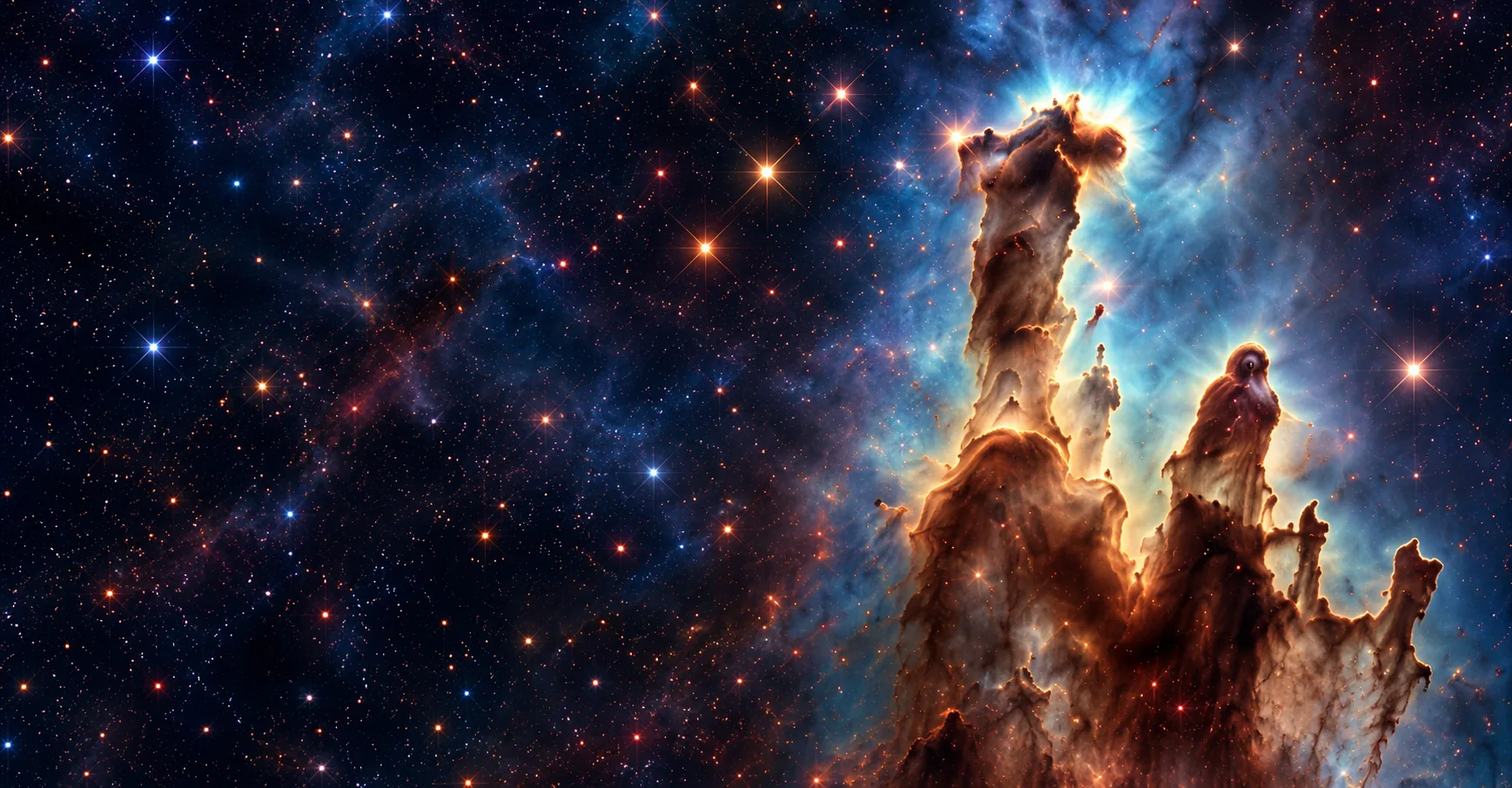
An atmospheric illustration is part of the reading experience, not a calibrated finding chart or new scientific observation. Its label helps preserve that distinction while keeping the visual presentation engaging and memorable.
Start a conversation
A useful conversation begins with an astronomy question, a correction or a public topic suggestion. Send the question, a broad description of its context and relevant public links where available. Keep credentials, private customer information and proprietary files out of an initial message. The contact route opens your own email application; it does not represent an automated onboarding or analysis workflow. The appropriate next step depends on the question and any scope that needs to be agreed.
A public source and a precise question are useful starting points for a topic suggestion. Explain what you want clarified and why, so the proposed subject can be understood without private information or a lengthy speculative claim.
Continue with The wider universe.
Start with a clear question
Use the AstroSkyGuide contact page for an astronomy question, a correction or a public topic suggestion. The email button opens your own mail application; review the message before sending and keep credentials or private records out of an initial enquiry.